

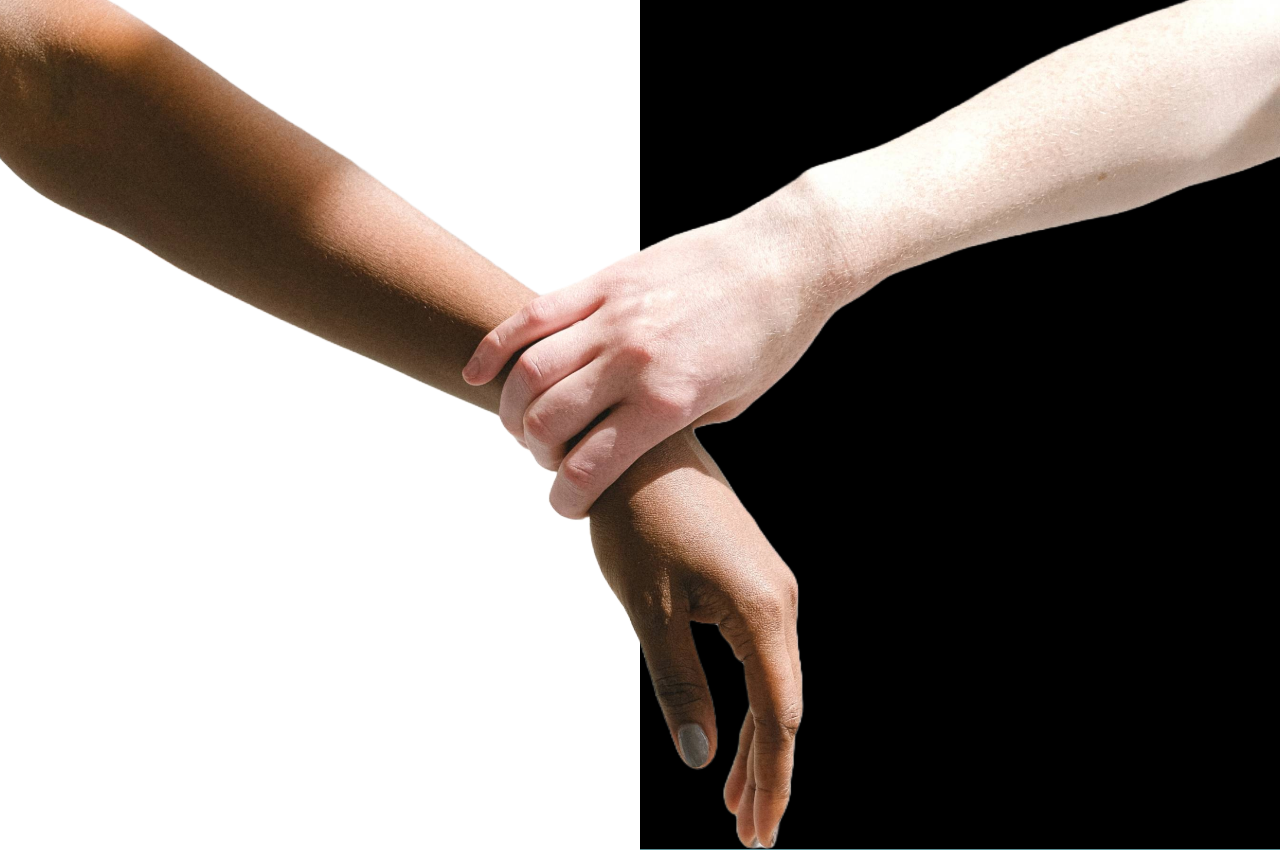
The Catch-22 of Positive and Negative Stigmatization
Stigmas are deeply embedded in our society. They create a sense of order and certainty: a simple division between right and wrong, strong and weak, smart or unintelligent. But because stigmas offer a strong sense of control and safety, we cling to them—even when they limit us.
We treat them as absolute truths. They help us make quick judgments, but if we rely on them too much, we lose the ability to think beyond these labels and see people as individuals rather than predefined categories.
“If you read the same books as everyone else, you’ll think the same thoughts as everyone else.” – Haruki Murakami
When we receive the same information and adopt the same beliefs, we keep thinking in circles. This is how stigmas persist.
Why Stigmas Exist: A Sense of Certainty
Stigmas originated as a biological mechanism to distinguish between safe and unsafe. They provide structure in a chaotic world, but that does not mean they are always accurate.
Our reticular activating system (RAS) also plays a role. This part of our brain filters information based on what we already believe. If we attach a stigma to something, we unconsciously seek confirmation of it rather than being open to new perspectives.
The Illusion of Control
Our systems—justice, healthcare, and education—are built on stigmas. Everything is categorized: healthy or sick, guilty or innocent, smart or unintelligent. But what if we acknowledged that people don’t fit neatly into boxes?
Take someone with trauma. As long as they are seen as a ‘victim,’ they receive sympathy. But if they become angry or act out, the stigma shifts: now they are ‘a problem.’ Yet they are still the same person.
The same applies in the job market. A young person from a disadvantaged neighborhood? They must have a ‘poor work ethic.’ A former inmate? They must prove themselves extra hard to be considered trustworthy again.
And it’s not just about who someone supposedly is, but also about how they do things. Certain ways of working, speaking, or thinking are celebrated, while others are dismissed for not fitting the standard.
Think of someone with an expensive education. Their words are automatically given more credibility than those of someone who gained knowledge through alternative means. A wealthy entrepreneur is seen as ‘smart,’ while someone with the same passion but without financial success is labeled as ‘less accomplished.’
At times, what someone says hardly matters—only who says it. The stigma makes it true.
“Everything must be considered. If the facts do not fit the theory—let the theory go.” – Agatha Christie
But instead of adjusting our assumptions, we often try to make the facts fit within our existing beliefs.
Form Over Content: Can We Truly Listen Objectively?
We often prioritize form over content. How would it feel to read or hear statements without knowing who said them? Would we be more objective, or would we panic because we lack a frame of reference?
We are so accustomed to assigning value based on status and reputation that we become uncomfortable when forced to focus solely on content. Yet, this would be an essential exercise in critical thinking.
Stigmas as a Shelter: Why the System Gets Stuck
Beyond excluding those who don’t fit the norm, there’s another effect: those who do fit the system lose their drive to grow.
Those who follow the established rules and ‘do everything right’ experience safety. But why think critically if the system affirms that you’re already on the right path?
A clear example is mental healthcare. Are we truly helping people, or are we primarily focused on controlling their behavior to fit what is considered ‘normal’? Many treatments target symptom management rather than deep healing.
This self-reinforcing system means those who conform feel no push to change, while those who don’t conform struggle to be taken seriously.
The Catch-22 of Stigmas
We rely on stigmas because the systems we live in undermine individual self-confidence. We learn that deviating from the norm carries risks.
The result? We cling to external validation because trusting our own judgment feels unsafe.
Where do we begin? With the individual. Recognizing how you have shaped yourself to fit a stigmatizing system can create self-awareness and self-worth. And with self-worth comes resilience.
Once someone no longer depends on external approval, they gain the freedom to make their own choices. Because trauma is, at its core, a wound to self-identity: I am not good enough.
That’s why it is crucial not only to reform systems but also to rethink how we view them. We should ask ourselves more often: Does what we do still serve its original purpose? Or is it just preserving old beliefs and habits?
Only when we recognize how we are unconsciously guided toward stigmas and social standards can we break free from them. Because no matter what, there will always be too many expectations to meet them all.
Try reflecting on how you evaluate truth and what underlying needs shape your perception.
Other interesting Thoughts
When you do, please know that we only use your details for this purpose, you can unsubscribe at any time!
You're a genuine Trauma Informed professional? Write for this brand new platform!

Inspired? Make a donation so we can keep bringing new perspectives!